
Categories
Real EstatePublished March 27, 2026
5 Resale Nightmares Eastside Seattle Buyers Don't See Coming

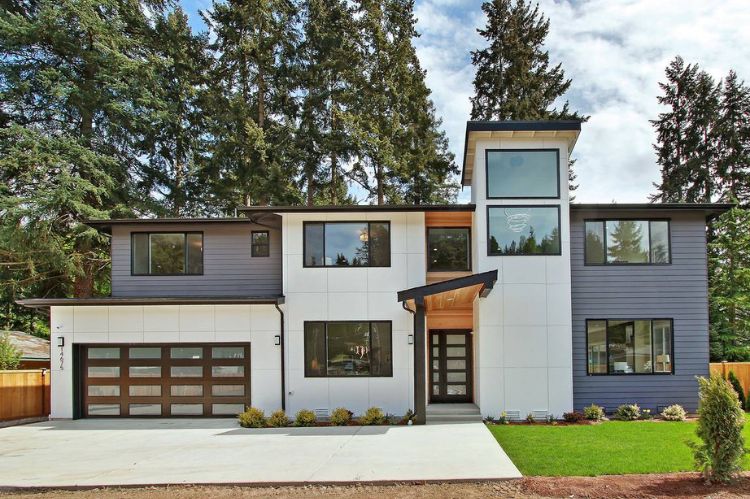
5 Resale Nightmares Eastside Seattle Buyers Don't See Coming
Meta Description: Buying a home on the Eastside of Seattle? Avoid these 5 costly resale mistakes that trap homeowners — insights from 300+ transactions.
One Buying Decision Today Can Make Your Future Sale 10x Harder
You're excited. You've found a home in Sammamish or Kirkland that checks most of your boxes — good price, decent commute, nice neighborhood. But here's the question most buyers forget to ask: Will this home be easy to sell in 5, 7, or 10 years?
After 300+ real estate transactions on the Eastside of Seattle, I've watched smart, well-intentioned buyers make the same resale mistakes — not because they weren't careful, but because no one told them what to look for before they wrote the offer.
The Eastside market is competitive and expectation-driven. Buyers here compare everything, and resale standards are high. If you buy a home with hidden resale red flags today, you'll feel the consequences the moment you try to sell.
Here are the five most common resale traps I see Eastside buyers fall into.
1. Homes That Back to a Highway or Major Road
The drone shots always look stunning. Wide angles, lush greenery, beautiful rooflines — and conveniently, no audio.
But noise never sleeps. The moment a future buyer steps out of their car and hears the constant hum of I-90 or Hwy 520, the negotiation has already shifted. Buyers discount aggressively for highway-backing properties, and in many cases, they simply walk.
On the Eastside, where quality of life is a major buying driver, traffic noise is a deal-breaker for a large portion of the buyer pool. That shrinks your future demand — and your sale price.
2. "Unique" Floor Plans With Awkward Flow
There's unique, and then there's unmarketable.
Walk-through bedrooms, oddly placed bathrooms, choppy open-to-closed transitions, or a primary suite tucked next to the front entry — these quirks feel livable to you after a few years, but they're immediate red flags for buyers touring 10 homes in a weekend.
When a floor plan feels off, buyers can't visualize their life in it. A smaller buyer pool means more days on market, more price reductions, and more negotiating leverage handed to the buyer. The layout might be fine for you — but it will cost you at resale.
3. The Fixer-Upper You're "Going to Renovate"
This one is the most common — and the most expensive — mistake I see.
Most buyers underestimate three things: the actual cost of renovation, the time it takes to get it done, and the sheer decision fatigue of managing a project while working and living in the home. Life happens. Projects stall. The kitchen that was going to be updated in year one is still original in year seven.
When you list a partially renovated or deferred-maintenance home, buyers don't give you credit for what you intended to do. They discount heavily for what they'll have to deal with. That gap between your vision and the reality can cost you tens of thousands at the negotiating table.
4. The Biggest House on the Block
Bigger feels better when you're buying. But it can quietly cap your upside when you're selling.
In most Eastside neighborhoods, home values are anchored by what surrounds them. If your home is significantly larger than the comps nearby, appraisers have limited data to support a higher price — and buyers are wary of overpaying in a neighborhood that doesn't reflect their investment. The market doesn't always reward "bigger" the way you expect.
The sweet spot is a home that's competitive within its neighborhood, not an outlier above it.
5. Properties Adjacent to Commercial or Industrial Zones
It looks fine today. Maybe it's a small retail strip or a quiet light-industrial lot. But commercial and industrial zones can expand, intensify, or change use entirely — and you'll have no control over it.
When you go to sell, appraisers will flag the proximity. Lenders may require additional documentation. And buyers — especially on the Eastside, where people are paying a premium for lifestyle — will negotiate hard on anything that feels uncertain. What's quiet now may not stay that way, and buyers know it.
Why This Matters Even More on the Eastside of Seattle
Buyers in Sammamish, Kirkland, Bellevue, Redmond, and Issaquah are sophisticated. They're often relocating from other competitive markets, they've done their research, and they're comparing every home against high standards. That means resale red flags that might be forgiven in other markets hit harder here.
The good news? These are all avoidable — if you know what to look for before you write an offer.
Ready to Buy Smart on the Eastside?
Don't let a resale nightmare be your first lesson in real estate. Whether you're buying your first home or upgrading to your next one, the right guidance at offer time saves you years of headache later.
Simmi Kher has helped 300+ Eastside homeowners buy and sell strategically. Reach out before you make your next move.
📧 simmi@simmirealestate.com | 📞 425-324-6466
Other Blogs:
Why Kirkland Homeowners Are Embracing?- Read This
Is the Issaquah Premium Worth It in 2026?- Read This
Is the Marymoor Village Premium Worth It in 2026? - Read This

Simmi Kher
| Simmi Real Estate
or another way