
Categories
Real EstatePublished March 25, 2026
5 Home Features That Quietly Kill Resale Value on the Eastside of Seattle

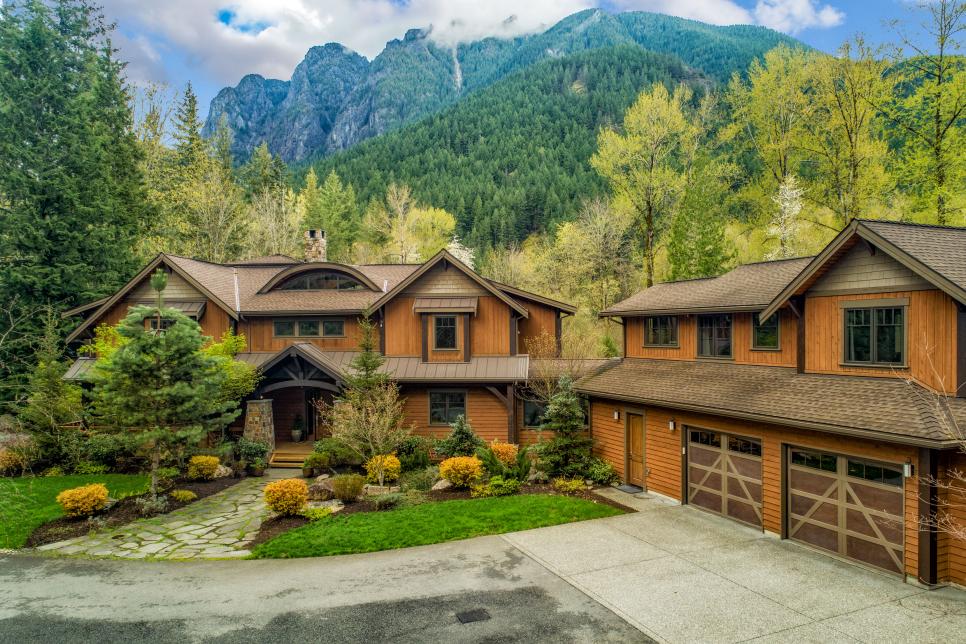
You fell in love with the house. The kitchen is gorgeous. The backyard is dreamy. The price felt right. But three years later, when life changes and you need to sell, you discover something nobody warned you about — your home is sitting on the market while everything around it sells in days.
After 300+ transactions across Sammamish, Kirkland, Bellevue, Redmond, and Issaquah, Simmi Kher has watched this story play out more times than she can count. The buyers who get hurt most aren't careless — they're enthusiastic. They focus on what they love today and forget to ask: will someone else love this in five years?
Here are five home features that quietly kill resale value on the Eastside of Seattle — and what to watch for before you make an offer.
1. Homes Backing to a Highway or Major Road
That drone footage looks incredible. The backyard is spacious, the price is below comps, and the listing photos don't hint at anything unusual.
Then you visit in person. The hum of traffic is constant — not occasional, not "you'll tune it out." Constant.
Buyers touring your home will hear it the moment they step outside, and many will simply walk away. On the Eastside of Seattle, where commuter corridors like I-405, SR-520, and Sammamish Road carry heavy daily traffic, proximity to a major road can mean longer days on market, lower appraisal comps, and tougher negotiations when it's your turn to sell.
2. The "Unique" Floor Plan
Master on the main floor with bedrooms upstairs sounds flexible — until it doesn't pencil out for families with young kids, aging parents, or anyone who simply wants a conventional layout.
Floor plans that require walking through one room to reach another, that separate the primary suite from all other bedrooms by an entire floor, or that simply feel "different" tend to shrink your buyer pool significantly. And in the Eastside real estate market, a smaller buyer pool almost always means fewer competing offers — which means you leave money on the table when you sell.
The bones of a home matter enormously. A conventional, functional layout that works for a wide range of buyers will outperform a "unique" layout nearly every time.
3. The Fixer You're "Definitely Going to Renovate"
Everyone has good intentions at the time of purchase. The plan is clear: update the kitchen in year one, redo the bathrooms by year three, refinish the floors whenever the timing works.
Then life happens. Budgets stretch. Work gets busy. Kids arrive. Decision fatigue sets in after the third tile sample. Projects stall — or never start.
When you eventually sell, buyers touring an unrenovated fixer don't see potential. They see risk, uncertainty, and their own future headache. They discount aggressively. In competitive Eastside neighborhoods where turnkey homes attract multiple offers, a stalled renovation project can cost you tens of thousands at the negotiating table.
Buy a fixer only if you have a realistic renovation plan, a realistic budget with contingency, and genuine appetite for the process.
4. The Biggest House on the Block
It feels like a smart buy — more square footage, more home, often priced below what you'd pay in a neighborhood of comparable homes.
The problem is what happens when you sell. Appraisers rely on comparable sales. If every home surrounding yours is smaller and less expensive, your premium square footage won't be rewarded the way you expect. The market caps your value based on the neighborhood, not just your home.
On the Eastside of Seattle, where certain pockets of Issaquah, Redmond, and Sammamish include wide variation in home sizes within the same neighborhood, this is a real and recurring issue. The biggest home on the block is often the hardest to sell — and the least likely to appreciate at the rate you're counting on.
5. Homes Adjacent to Commercial or Industrial Property
This one catches buyers off guard more than almost any other on this list.
The warehouse next door seems quiet today. The retail corner nearby feels manageable. But commercial and industrial zoning can bring noise, truck traffic, loading zones, and future development that changes the character of a neighborhood significantly — and quickly.
Appraisers factor in adjacent land use. Lenders flag properties with commercial neighbors. And buyers who do their homework negotiate aggressively when they spot industrial adjacency. What seems like a minor inconvenience at purchase can become a material obstacle at resale.
The Bottom Line: Buy for Resale From Day One
It's easy to fall in love with a home's potential — a price that feels like a deal, a "unique" feature that feels special, a project that feels exciting. These aren't bad instincts. But they need to be balanced against one honest question: Will this be easy to sell in three to five years if life changes?
On the Eastside of Seattle, where the market is active but discerning buyers have plenty of options, homes with resale red flags don't just sell for less — they sit. While everything around them moves, they accumulate days on market and price reductions until a buyer willing to accept the risk steps forward.
The best purchase is one where you love the home today and you can confidently sell it tomorrow.
Work With an Agent Who Thinks About Resale Before You Buy
Simmi Kher has guided 300+ homeowners through buying and selling on the Eastside of Seattle — and she's seen firsthand which homes become easy sales and which ones become expensive lessons.
If you're actively searching for a home in Sammamish, Kirkland, Bellevue, Redmond, or Issaquah, let Simmi help you evaluate not just what you love today, but what the market will value when it's your turn to sell.
📧 simmi@simmirealestate.com | 📞 425-324-6466
Our Other Blogs:
Is This the Smartest Time to Sell Your Home? - Read More
Sammamish 2026: Should You Sell Now or Wait? - Read More
Is the 2026 Premium Actually Worth It? - Read More
|


or another way